
Lakeland Resident Lookup Sources
No one roll identifies every Lakeland resident. Each source proves a narrow fact as of its own filing date. The Polk Property Appraiser is strong for current ownership, but it does not list every person in a home. Court and voter records add roles, dates, or a registered address. Vital, business, and license files answer other parts of the identity question.
| Record | What It Confirms | Where | Access |
|---|---|---|---|
| Property roll | Owner, mailing and site address | Polk Property Appraiser | Free online |
| Voter data | Registered address, status and participation | Polk Elections | Public fields; exemptions apply |
| Court docket | Party role, date and disposition | Polk Records Online | Some files restricted |
| Vital records | Birth, death, marriage or dissolution event | Florida DOH or clerk | Rules vary by record |
| Business/license | Public role, credential and official address | Sunbiz and DBPR | Free public search |
| Probate | Decedent, representative and heir claims | PRO and clerk | Protected material withheld |
Start with the known fact. An address points to the parcel roll. A case number points to the clerk. A profession points to its board. Keep each result date. A tax mailing address can differ from the parcel's site address, and neither alone proves who lives there.
Confirming Lakeland Name Matches
Common names create the largest resident lookup risk. Build an identity cluster from exact spelling, middle initial, suffix, spouse or associate, approximate age, address, parcel description, and date. Search partial first names plus married, maiden, double-surname, and generational variants.
A legal description tied to a parcel is stronger than a shared ZIP. Two independent official sources should agree on identity and time. A deed from years ago can be accurate while saying nothing about a present home.
Insider tip. Compare the Property Appraiser's mailing and site addresses before inferring owner occupancy; a match supports that idea but does not prove it.
Searching Lakeland Court Records
Polk Records Online, called PRO, covers county and circuit matters in Florida's Tenth Judicial Circuit. Search by party name, case number, or citation, then narrow by court type, case type, and date. Some data reaches the mid-1960s, depending on division. Document access may require registration and an agreement.
| Control | Use |
|---|---|
| Name/Party | Surname with partial given name, then variants |
| Case Number | Exact Polk Clerk number |
| Court/Case Type | Civil, criminal, family, probate, or traffic |
| Date Range | Filing or event period |
A result may show case number, filing date, division, party roles, attorneys, status, docket events, hearings, fees, and images. Icons mark restricted, confidential, or viewable-on-request files. Juvenile, adoption, sealed, and other confidential matters do not appear as ordinary public records.
Verify a Lakeland Resident Lookup
Verification means matching a person across records, not collecting the most hits. Preserve what each custodian reports and do not blend two people because their names or ZIPs match.
- Search the property roll by owner and record the parcel, mailing address, site address, and date.
- Run the court party search with the full name, partial first name, and useful variants.
- Compare a public vital, voter, business, or license record fitting the same person and period.
- Order a certified copy from the custodian when official authentication is needed.
- Docket
- The chronological list of filings and events in a court case.
- Index versus image
- An index summarizes searchable fields; an image reproduces the filed document.
- Certified copy
- A copy authenticated by the office holding the official record.
Lakeland Voter Record Limits
The Polk voter information tool authenticates one voter and is not a browseable surname directory. A custom voter-list request can select Lakeland, districts, precincts, status, and other criteria. The office reviews requests in one to two business days.
Public fields include name, address, date of birth, party, supplied phone or email, and participation history. Participation never reveals ballot choices. Social Security, driver-license or state-ID numbers, and the application source stay confidential. Signatures may be viewed but not copied. Protected voters may be absent, and an inactive record does not prove a move date.
Confirming Lakeland Vital Events
Florida Department of Health in Polk County issues local birth and death certificates. The state Bureau handles birth, death, marriage, and dissolution certifications. The Polk Clerk holds marriage licenses and substantive divorce files. Births under 125 years are confidential. Death certificates without cause are broadly available, while cause remains restricted for 50 years.
For an heir, follow probate party and docket data to a public petition, order, or will, then compare obituary relatives and an estate deed. Authority comes from letters or an order, not a surname. Confidential adoption files offer no public-record shortcut.
Lakeland License Lookup Evidence
The Florida DBPR license search accepts name, license number, city or county, and license type. Results may show public address, status, issue and expiration dates, related licenses, and public complaint history. A practice address is not proof of residence.
The official screen shows how a professional affiliation can support a Lakeland identity match.
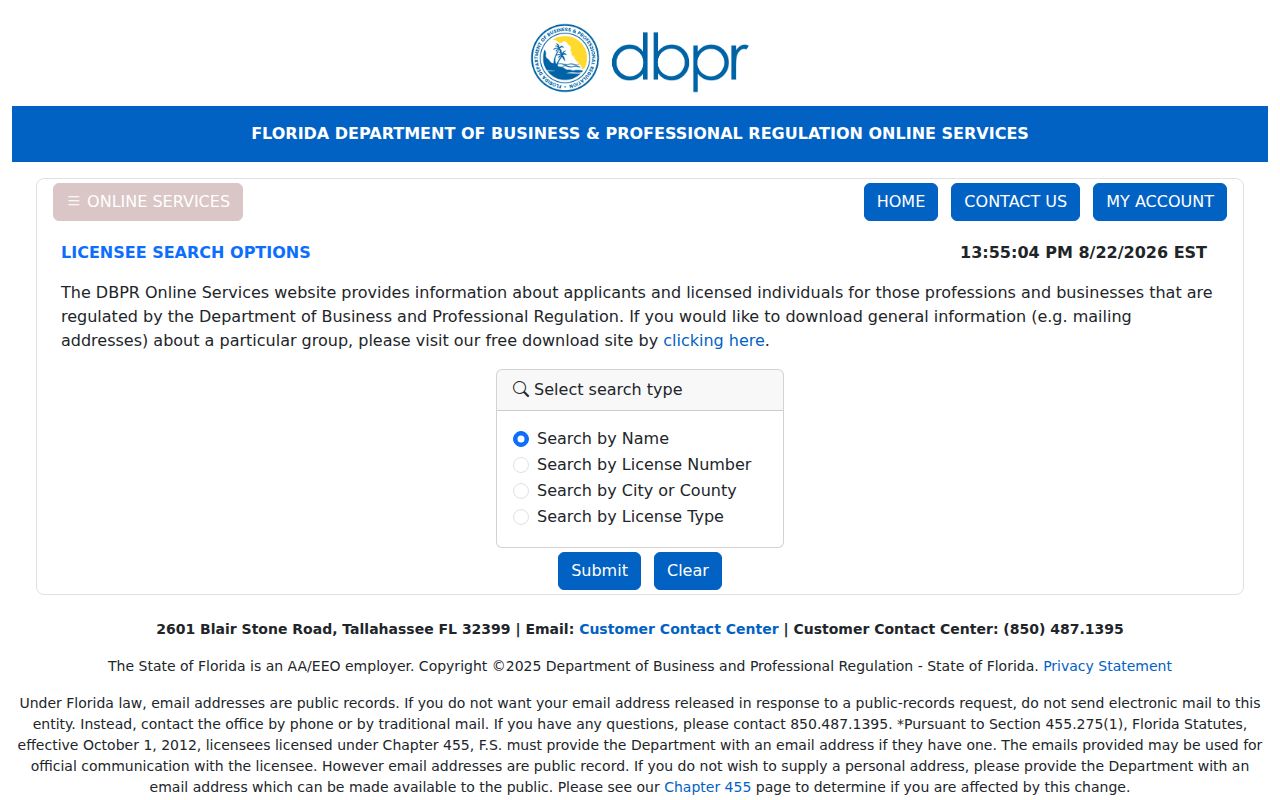
Use license number and status as firm identifiers, then compare dates with another official source. Sunbiz can add entity roles and annual reports, but an officer or agent role does not prove residence.
Florida Records for Lakeland Lookup
The FDLE Florida check costs $24, and instant card orders add $1. Name matching can return another person, so identity details still matter.
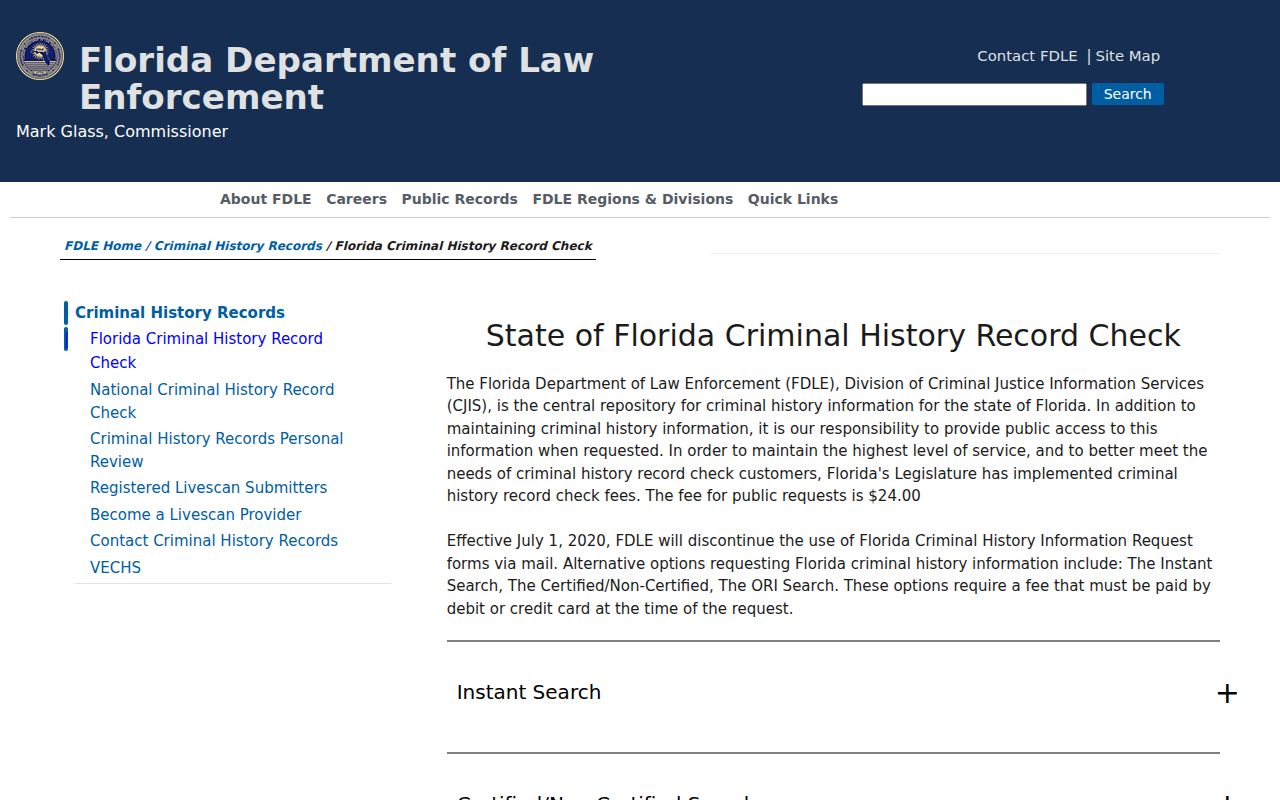
The official options distinguish instant, staff-run, and certified results. The Florida Treasure Hunt search locates unclaimed property by name.
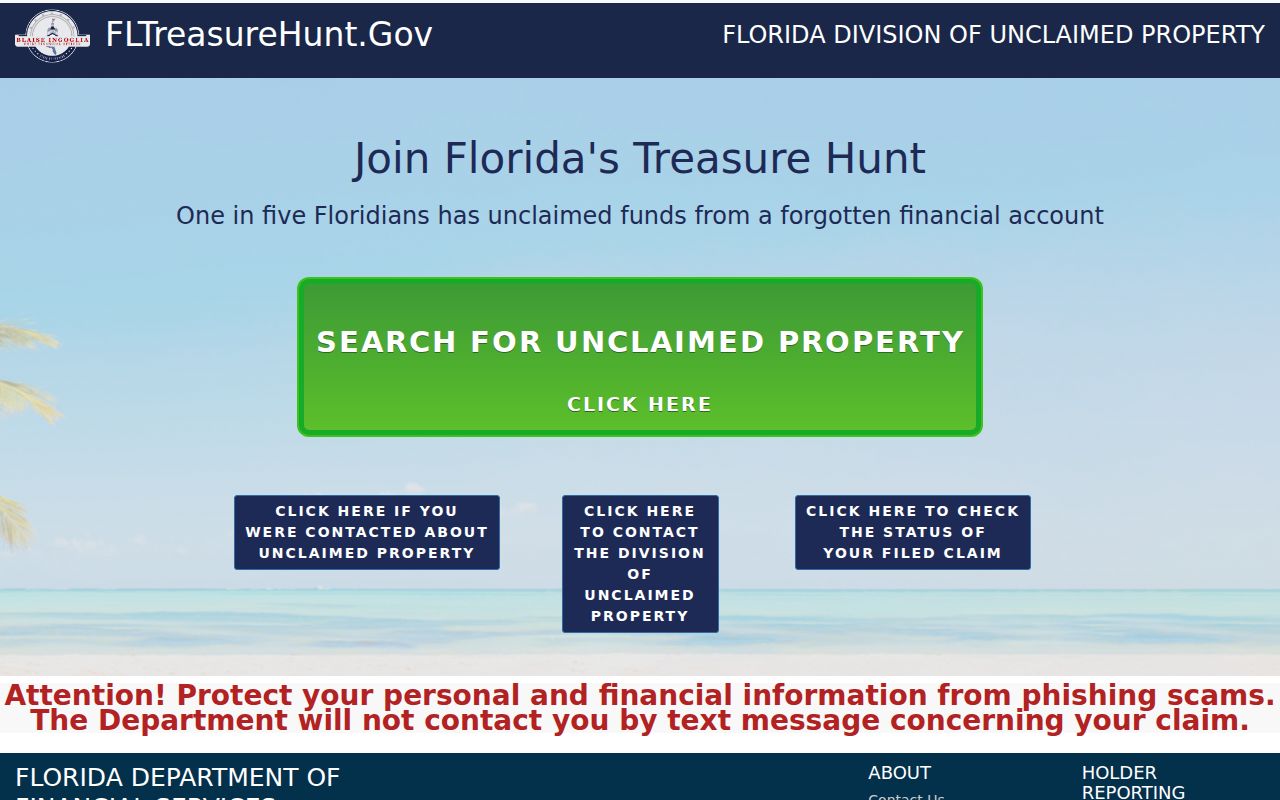
A claimant must prove identity and ownership, and the listing does not establish a current address.
Request Missing Lakeland Records
Florida Public Records Law, Chapter 119, allows requests for existing nonexempt records without a special form or stated purpose. Name the record, date span, case or instrument number, and preferred format. The custodian responds in good faith within a reasonable time, not a fixed statewide number of days.
The Polk Clerk's PIER portal handles public-record and bulk-data requests through an account. It advises checking PRO for free unofficial copies first.
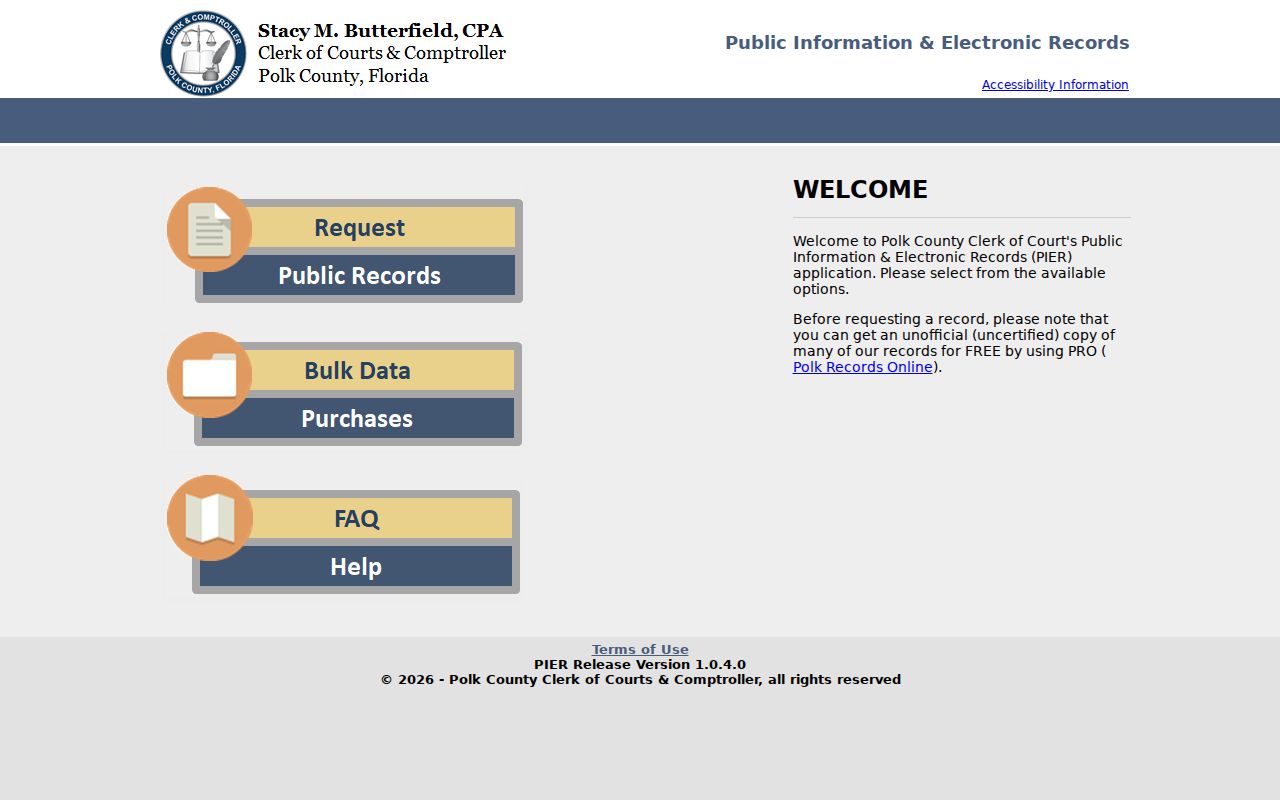
The account tracks the request. Certified court copies are available through Clerk Records at 863-534-4401.
Lakeland Resident Lookup Boundaries
Birth, adoption, juvenile, sealed court, motor-vehicle, and protected-address records create real stops. Florida's Address Confidentiality Program gives eligible victims a substitute address. High-risk professionals may seek agency-specific protection. Never infer hidden facts from silence in a portal.
Correct errors with the source custodian: Property Appraiser for parcels, Supervisor for voter data, clerk for court or recording indexes, and the board for a license. Commercial compilations may lag moves or merge identities, so official records must verify any lead.
Keep a short research log for every possible match. Record the portal, search date, exact query, result identifier, role, and effective date. A parcel card speaks to ownership and assessment; a deed speaks to a recorded transaction; a docket speaks to participation in a case. Those roles should not be rewritten as current residence. When an online image is unavailable, save its instrument, case, or book-and-page citation and ask the custodian for the public copy.
Corrections also follow the record's origin. A third-party listing may refresh only after Polk County or Florida fixes the authoritative source. Florida does not offer one universal deletion process for lawful courthouse, deed, voter, or assessment records. The Florida Digital Bill of Rights applies only to defined controllers and does not cancel Chapter 119 duties. Protected-address and confidentiality applications must use the formal program or agency process supported by the facts.
Lawful use. Use a Lakeland resident lookup only for lawful personal research. Never stalk, harass, threaten, or intimidate anyone with public information.